
Intro
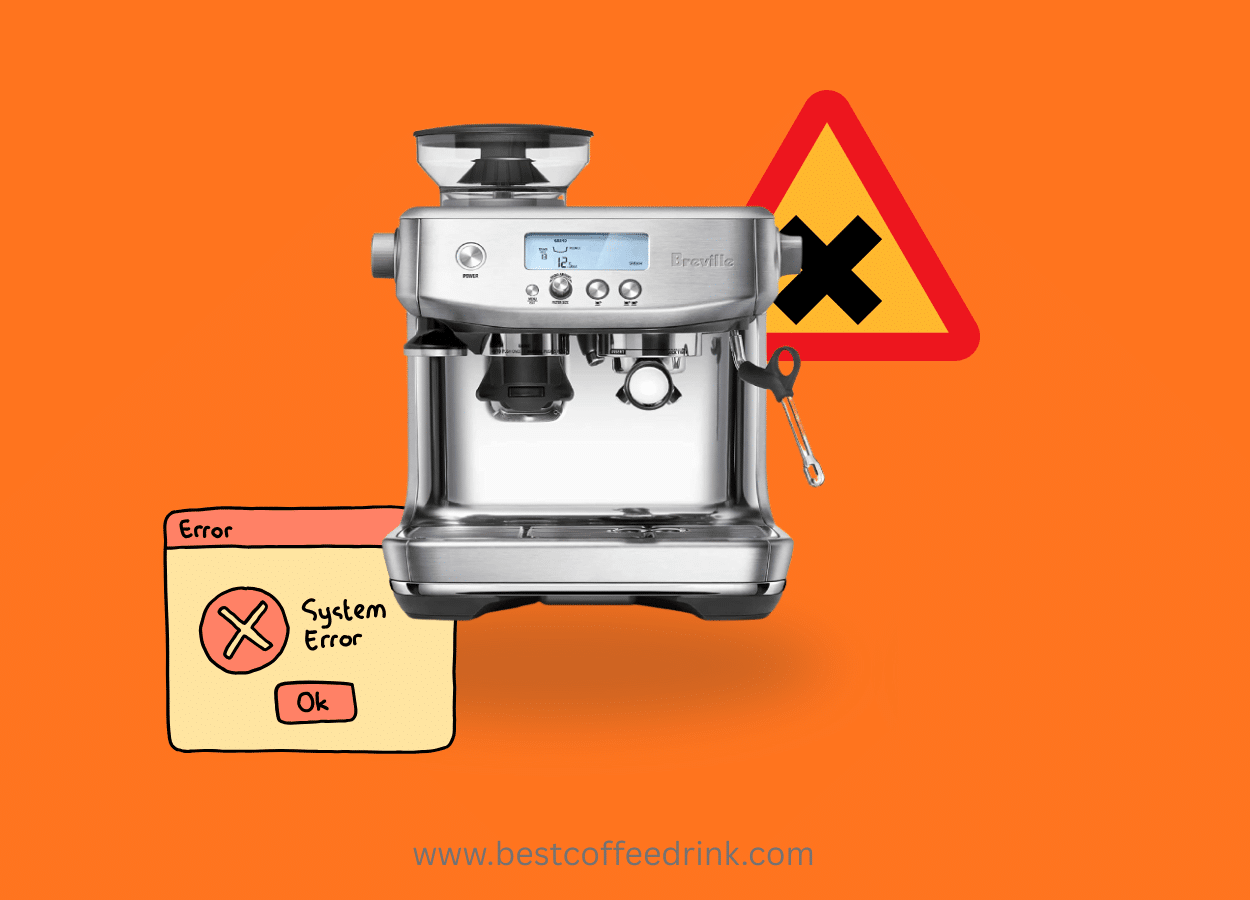
In this Blog post, I’m going to be talking about the 5 most common problems with Sage or Breville espresso machine issues and how to fix them.
if there’s a problem you’re having that I’ve not dealt with here, please leave it in the comments, and if needs be, I’ll do another blog post covering any other common issues.
Some of these issues are universal for all espresso machines, but a few of them are specific to sage or Breville machines.
Table of Contents
Breville Espresso Machine Issues: No espresso flowing
This one applies to all espresso machines. I get many emails from people who think they’ve broken the machine, or they’ve received a thud because no espresso is coming up, or maybe just a few drips or a trickle. But fear not.
Issue
This is a very insignificant issue. It’s a case of user error, and all it is is to find the grind.
SOLVE PROBLEM
This is known as choking your machine, and it just means the grind is too fine to fix it. Make the grind more coarse.
That’s it. If you’re getting this with pre-ground, then, unfortunately, this is one of the downfalls of trying to use pre-ground coffee for espresso.

Invest in a Profitable Café Business with Growth Potential in New York
Discover an extraordinary opportunity to acquire a successful and well-established café with tremendous franchising prospects.
Located in the heart of a lively New York area, this business generates an impressive annual revenue of $1.5 million and is available for purchase at a freehold cost of $1.9 million.
Breville Espresso Machine Issues: Loud buzzing noise
Issue
This is when your machine is buzzing. The lights are flashing when you first set up the machine.
And this tip applies to any machine with a water filter installed.
This is another common one. All it means is that the machine is trying to prime, but it can’t get any water from the water tank.
Sometimes this can be because the tank isn’t seated properly, so just try removing it. If you forgot to fill the tank,
The most common cause of this is that the water filter has dried out and needs a much longer soak before first use.
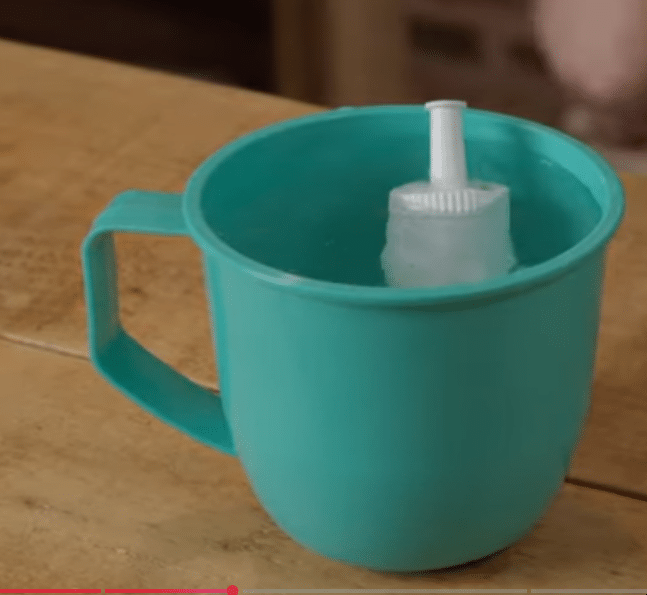
You can test this by letting it find without the filter in place, and if it works, then you know it’s the filter.
SOLVE PROBLEM
So just let it soak in water for an hour or two or overnight, and you should find that it fixes it.
Breville Espresso Machine Issues: loud clicking sound
Issue
The grinder doesn’t work and makes a loud clicking sound.
This issue is specific to Sage machines with a lot of grinders. Instead of clicking, your grinder will break, the gears will strip, for example.
So this clicking sound isn’t a bad thing. This is the sound of the slipper clutch,
which is a safety feature to stop and becoming damaged if something harder than a coffee bean ends up in your hopper
This is the same as a clutch in cordless drills, which allows you to control how much torque the drill will apply, because obviously you want less torque if you’re screwing than if you’re drilling.
So if it sounds like this, this is a sound slipper punch. What that means is that the torque that needs to be applied to the beans you’re using to grind them for the grind.
Size you’re trying to grind about is too high. In other words, the beans are too hard for the grinder.
I’ve experienced this myself a few times, and it’s simply that some lighter roasted beans, particularly high-grown single origins, are less porous and are much more dense and harder to grind.
It basically means you’re working with a bean which really isn’t compatible with entry to mid range grinders.
If you want to be able to work with all beans, you really need a higher-level grinder with a much bigger motor, with the grunt to grind anything you put in it.
This is one of the reasons that I’ll always recommend espresso blends for entry level setups and integrated grinding machines.
SOLVE PROBLEM
If you stick to these, you’re unlikely to encounter issues like this. If this happens, you’ll find that if you make the grind much coarser, you can grind it.
So if you have a filter machine or a Cafetiere, for example, you could use these beans that way, but for espresso, it’d be a case of switching beans.
Breville espresso machine issues after cleaning disc has a hole
your cleaning disc has a hole in it. This is specific to Sage or Breville machines.
Issue
your cleaning disc has a hole in it
If you’ve seen my previous blog post on back flushing, you’ll see that I said to ignore the instructions when it comes to putting a bowl on the drip tray,
because the point of back flushing is that the water back flushes through the brew path, through the solenoid valve, into the drip tray.
But I’ve been hearing from people because they’ve been sent a machine with a cleaning disc with a hole, and one of the demo machines I received recently came with one of these holey discs.
And of course, if your machine comes with a disc with a hole in it, you’ll need to put a bowl under the portafilter, as a drip tray will probably overflow. Otherwise.
The reason saw levels have been sent with these holy discs is something to do with a certain software version in which the prolonged high pressure of back flushing with a blank disc could cause the machine get its knickers in a knot. That’s a technical term.
So if your cleaning disc does have a hole in it, put a hole under it when you’re back flushing. If you’re thinking that back flushing with a blind disc with a hole in it, seems counterproductive,
SOLVE PROBLEM
back flushing with a blind disc
Breville Espresso Machine Issues: The espresso tastes bad
Issue
your espresso tastes bad. This is a universal issue that affects any machine.
There can be many causes for this, one of which is simply using poor-tasting coffee beans or coffee beans you don’t like the taste of.
But the biggest two causes of this are ratio and Rose profile.
Let’s talk about the ratio. The first ratio is the weight of espresso versus the dry weight of ground with coffee.
So 18 grams in 36 grams out is a one-to-two ratio. Many people just press the stop button and let the machine stop.
When it stops. If you do that, you have no control over the ratio.
SOLVE PROBLEM
Also, when you’re changing grind size and changing beans, the ratio will be a constantly changing variable.
Once you understand ratio and it becomes a variable you’re in control of you’ll have a much better chance of pulling great shots of espresso
learn how to use ratio C. The only common cause of this is using a roast profile which isn’t compatible with your setup, and this is especially true with the Bambino Plus.
lot of coffee beans these days have been described as medium, and medium can cover quite a range.
And with speciality beans, medium tends to be a lot lighter than supermarket beans listed as medium.
I’d recommend that if you’re using any relatively entry-level setup, and by this really, we’re talking about any setup costing less than about 1500 to 2000 pounds, that you start out with espresso blends.
If it’s sold as an espresso blend by a small batch roaster or specialty coffee supplier, you usually find it’s going to be compatible with entry level setups.
So just click on the blends box on the left hand side, and any coffees that you’ll see on the right should work well, my favorite thing the chocolate brownie blend.
So there you go, five common espresso machine problems, mainly affecting sage or Breville machines. As I said earlier.
mainly affecting sage or Breville espresso machine issues. As I said earlier. If you have a problem that I’ve not covered, please let me know in the comments.
We're an affiliate
We hope you love the products we recommend! Just so you know, we may collect a share of sales or other compensation from the links on this page. Thank you if you use our links, we really appreciate it!

Leave a Reply